


// Ship Faster. Break Less.Engineer Quality In.
Most teams check quality at the end. We engineer it in, from requirement to release. Jignect - your Quality Engineering partner, not another testing vendor.
Trusted by engineering teams at 50+ companies worldwide

















// The way most teams do QA is costing them more than they realize.
Software teams are shipping faster than ever. But quality processes haven't kept up. The result shows up as late-stage defects, brittle automation, failed releases, and QA teams firefighting instead of engineering. The root cause isn't effort, it's architecture.
The Late-Stage Defect Trap
Late-stage defects cost 10-100x more to fix. Most teams know it, yet QE still isn't built into the pipeline early enough.
The Automation Debt Spiral
Flaky tests, brittle frameworks, tribal knowledge that walked out the door. Automation built to launch, not last, eats 20-30% of every sprint.
The AI Testing Blind Spot
AI apps are non-deterministic. Traditional QA still tests them like it's 2018, leaving prompt injection, hallucination, and model drift unchecked.
Jignect was built to solve all three.
// Full-Spectrum Quality Engineering, Across Your Entire Delivery Lifecycle.
We're not a QA shop with one thing to sell. Jignect covers the full QE landscape, from foundational testing to AI app assurance and production-level observability.
AI-Driven QE
Functional, automation, performance, and accessibility testing powered by AI for faster cycles and smarter coverage.

QA Outsourcing
Dedicated QA teams and embedded QA engineers that scale testing capacity into your sprint cadence, not your headcount.

QE Consulting
AI adoption, QE maturity assessment, test strategy, tool selection and modern QA architecture for complex systems.

AI App Assurance
AI agent testing, prompt and guardrail validation, and model risk testing for AI-native apps.

Lifecycle Engineering
Shift-left automation, API contract testing, and production-grade QE across the delivery lifecycle.

Continuous Security & Trust
Zero-trust architecture validation and compliance audits built into your delivery pipeline, not a pre-release scramble.

// Turning AI Into QE Products and Frameworks
Most QE vendors talk about AI. Jignect has invested in building proprietary AI-driven QE capabilities, our three innovations represent our IP in intelligent quality engineering.
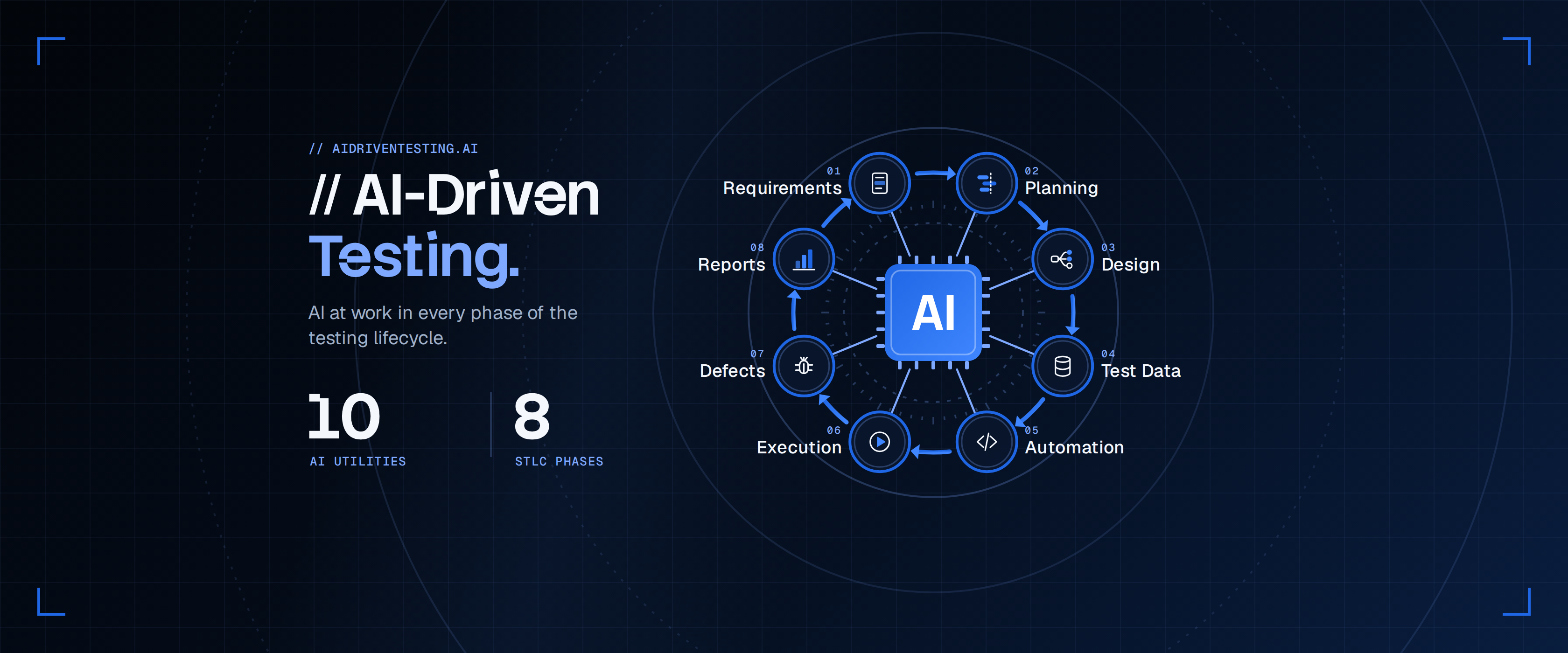 See AI-Driven Testing
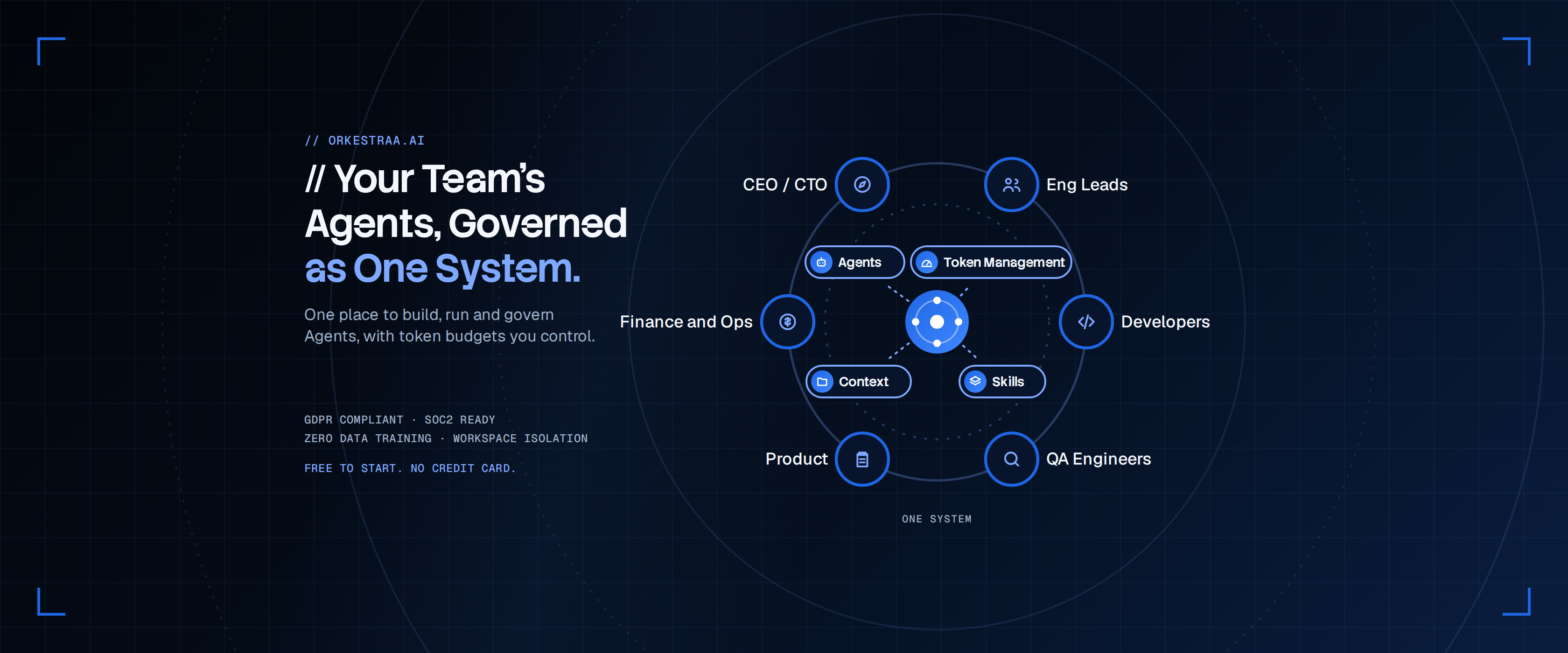 See Orkestraa
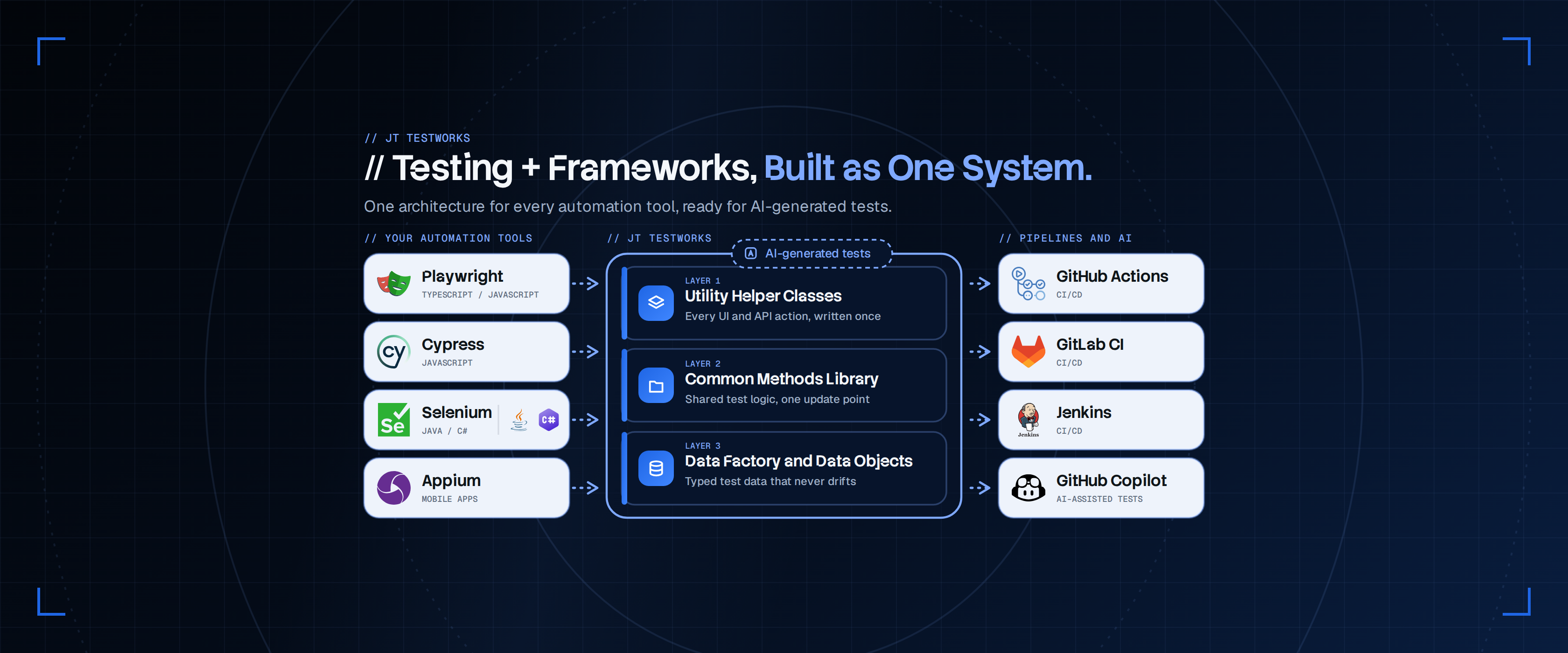 See JT TestWorks
// Domain Expertise Across Industries That Demand the Highest Quality.
QE isn't one-size-fits-all. Compliance requirements, user expectations, and failure consequences vary drastically across verticals. Jignect brings domain-ready engineers and industry-calibrated QE strategies.
// A QE Partner Built for the Pace of Modern Software.

// What Engineering Teams SayAbout Working With Jignect.
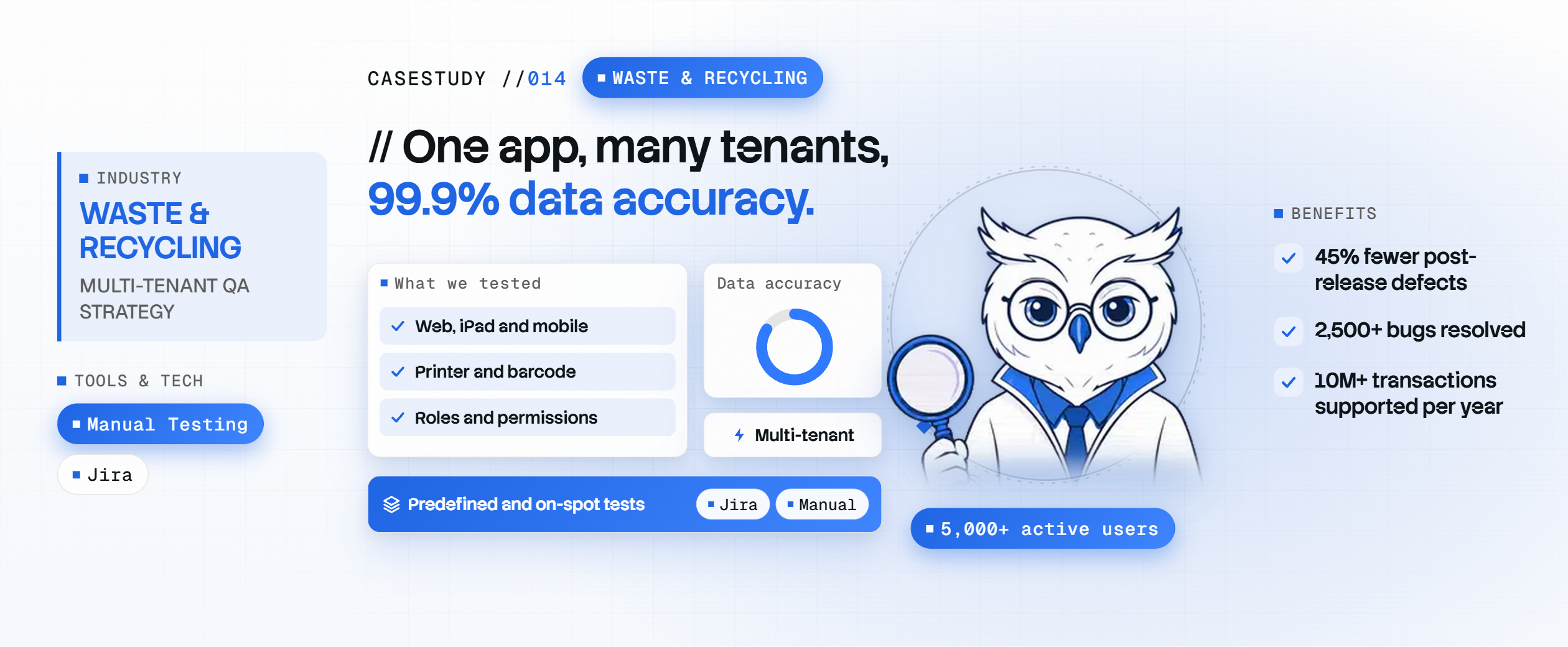
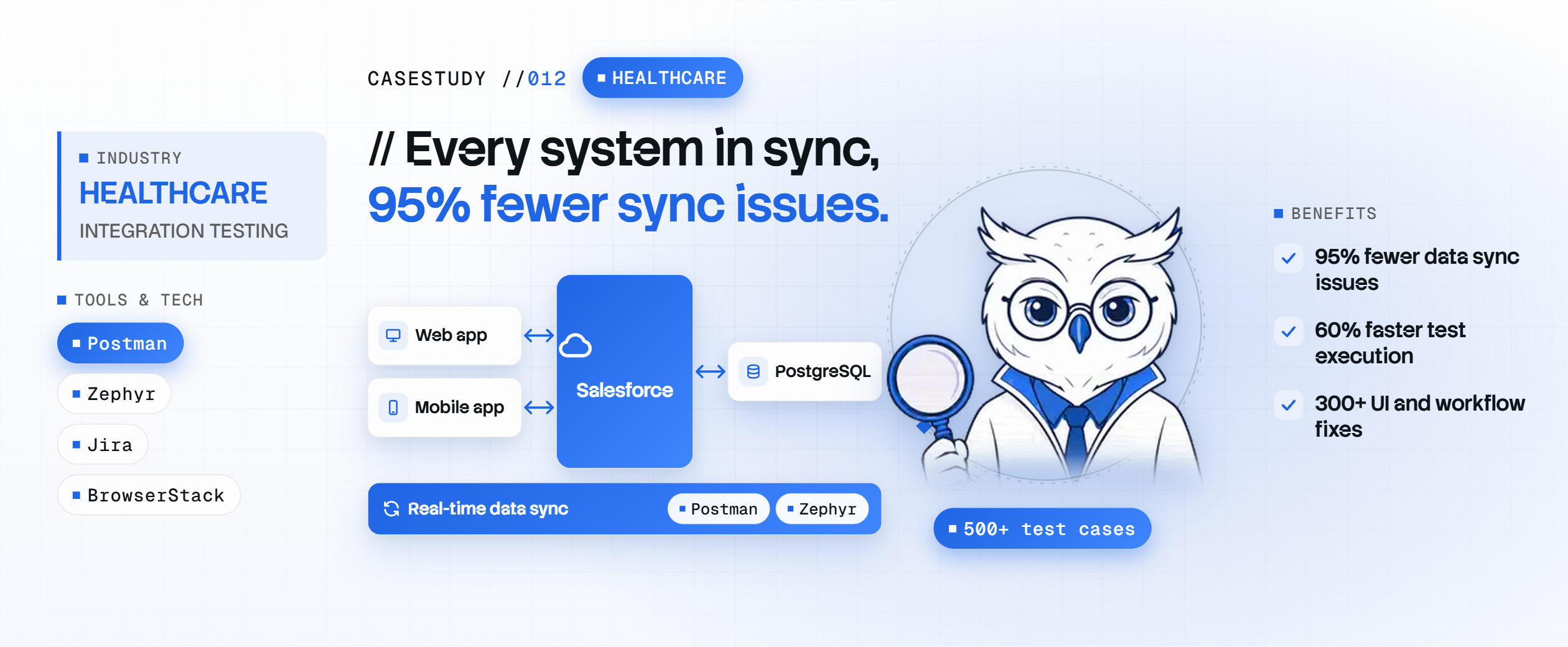
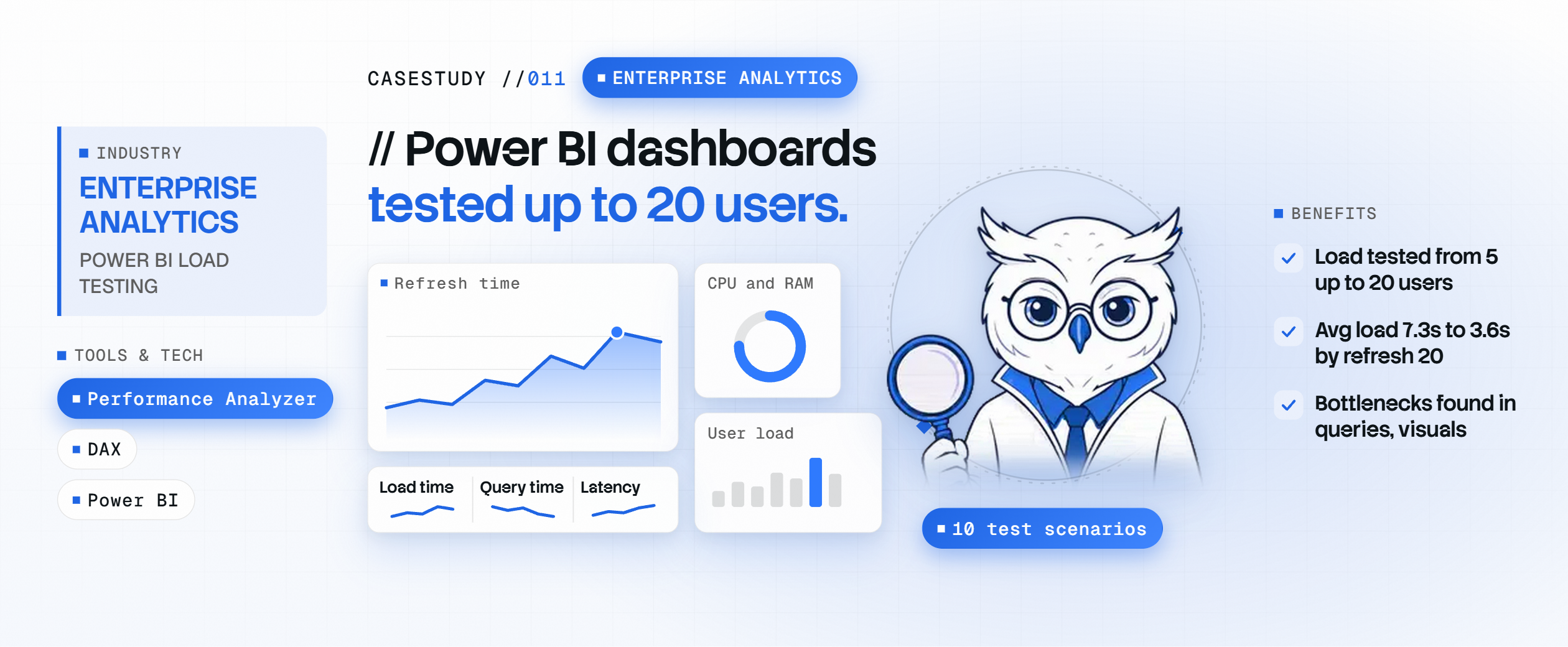
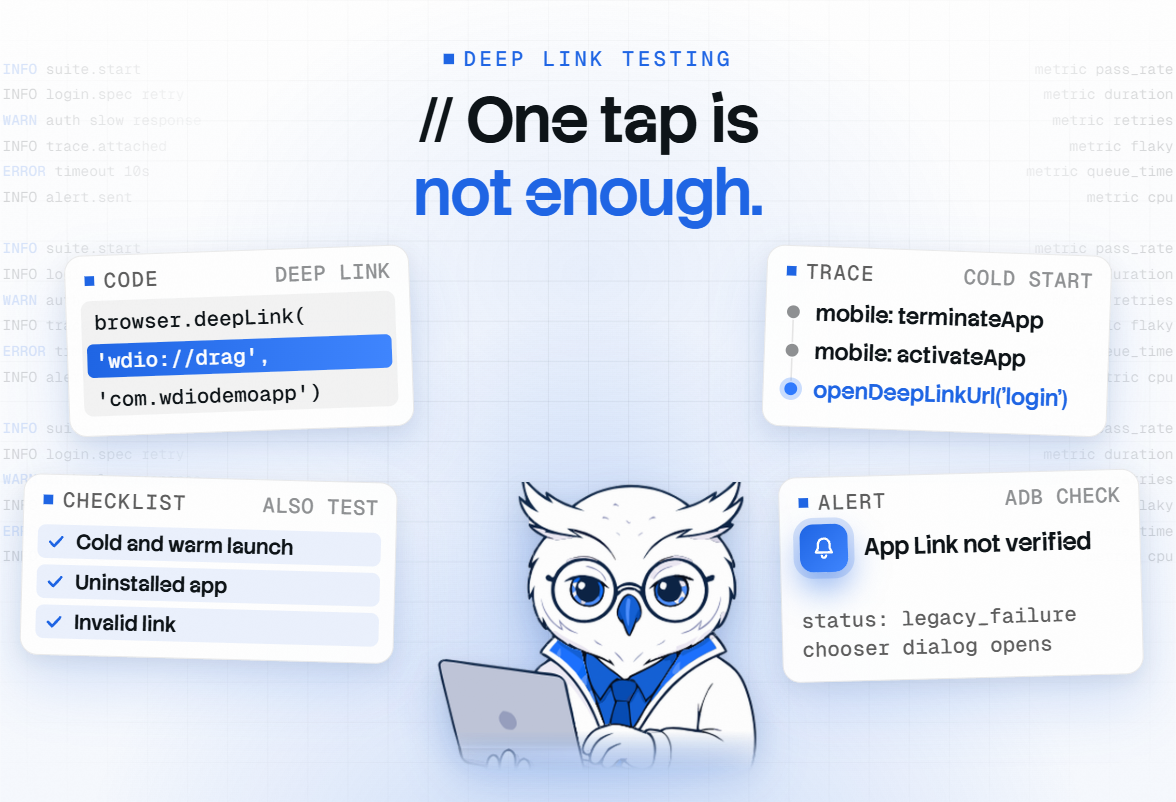
// Latest insights and trends.
Top Software Testing Company India 2026
Top Manual Testing Company India 2026
Top Manual Testing Company Ahmedabad 2026
Top Performance Testing Company India 2026
Top Performance Testing Company Ahmedabad 2026
Top Load Testing Company India 2026
Top Load Testing Company Ahmedabad 2026
Top Compatibility Testing Company India 2026
Top Compatibility Testing Company Ahmedabad 2026
Top Localization Testing Company India 2026
Top Localization Testing Company Ahmedabad 2026
Clutch Champion Spring 2024

Clutch Global Fall 2024

Clutch Global Spring 2024

Top Software Testing Company India 2024
Top Manual Testing Company India 2024
Top Load Testing Company 2024
Top Software Testing Company 2024
Top Manual Testing Company 2024
Top Performance Testing Company 2024
Top Load Testing Company 2024
Top Compatibility Testing Company 2024
Top Localization Testing Company 2024